Bathroom Decor: Elevate Your Space with Style
By
Logan
Published
2026-01-10 11:16:10
Read Time
5 min read
Introduction
Bathroom decor is more than aesthetics—it blends style with function to create a calm, efficient daily space. A well-planned bathroom shows expertise in material choices, lighting, and layout, while maintaining trust through durable products and accurate expectations. In this guide, you’ll discover practical strategies for color, texture, fixtures, and storage that align with current bathroom design trends and timeless principles. The result is a cohesive look that feels polished, personal, and built to last.
Understanding Your Space
Start with a quick audit: measure the room, note natural light, assess ventilation, and list daily tasks (showering, shaving, laundry, makeup). Group functions into zones—washing, grooming, and storage—and sketch a rough plan. Even small bathrooms benefit from clear zones and smart storage, which prevent clutter and help you achieve a cohesive decor. When you prioritize durability and moisture resistance in materials, you lift both the long‑term value and perceived quality of the space.
Color and Materials
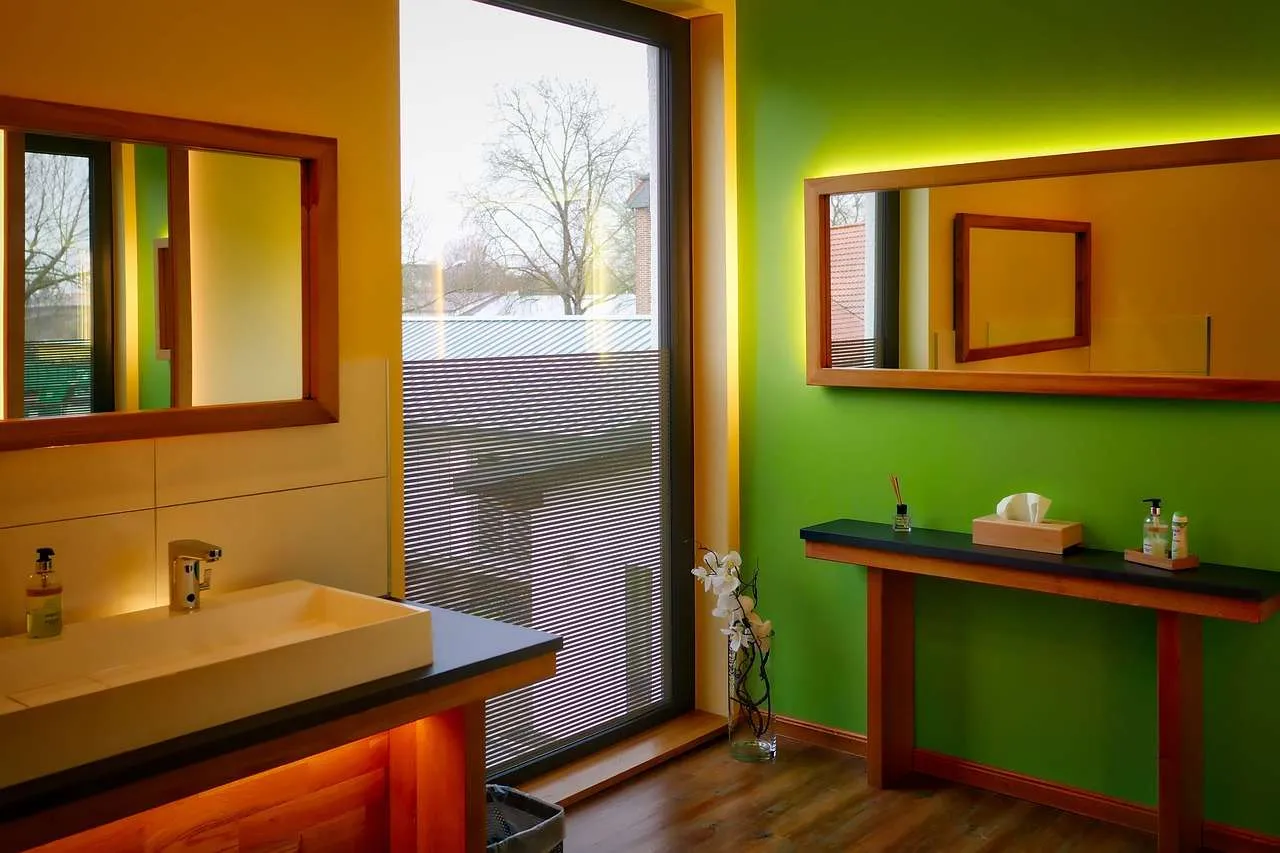
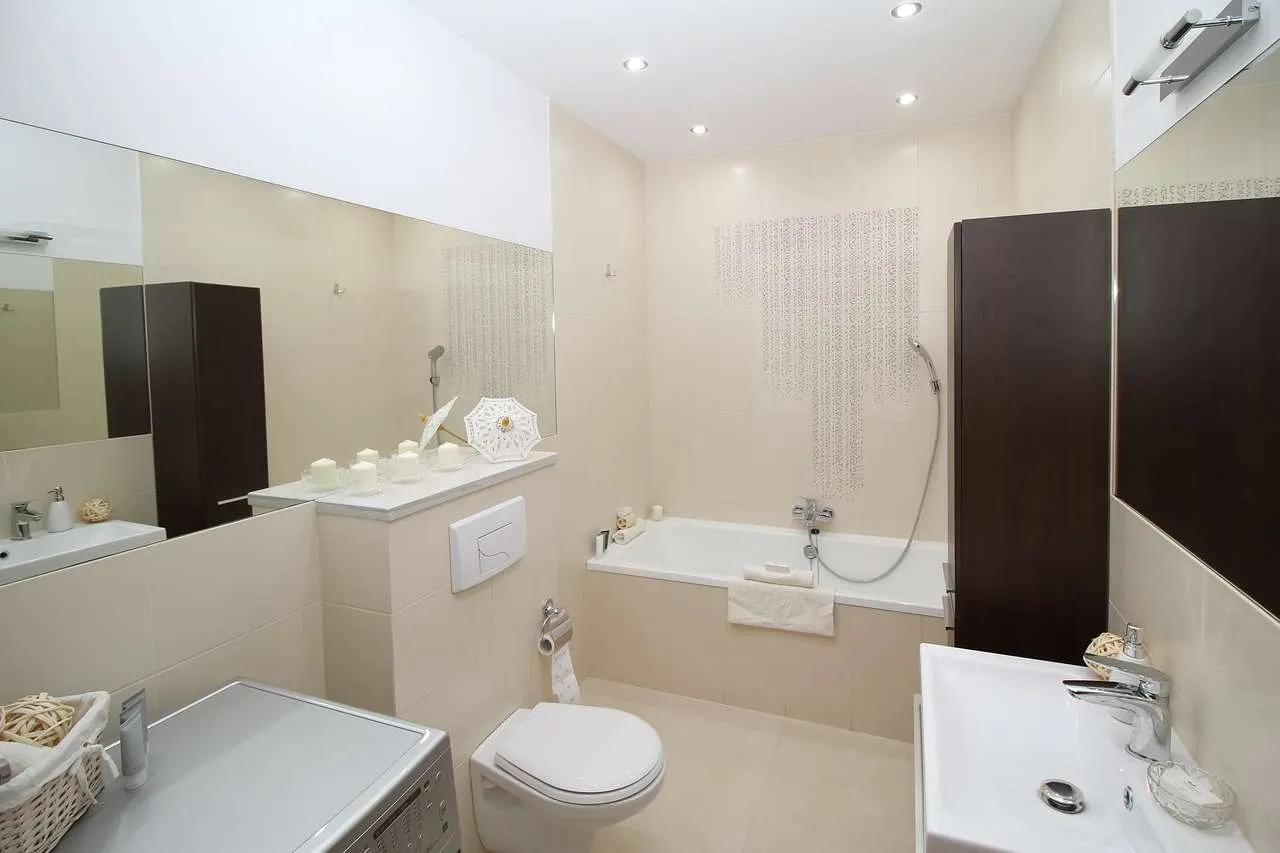
Color sets the mood. Neutral bases (greige, soft taupe, warm whites) pair with bold accents or layered textures to add personality without overwhelming the senses. Materials should resist humidity and cleaning agents: porcelain or ceramic tiles, quartz or solid-surface countertops, and moisture‑proof cabinetry finishes. Matte finishes are on trend, but gloss can brighten small rooms when used thoughtfully on fixtures or a single feature tile. Layer texture with natural wood accents, woven baskets, or stone textures to create depth without sacrificing durability.
Style Guides: From Minimal to Luxe
Choosing a style helps maintain a coherent look across fixtures, cabinetry, and decor items. Here are popular directions with practical notes for implementation.
Modern Minimalist
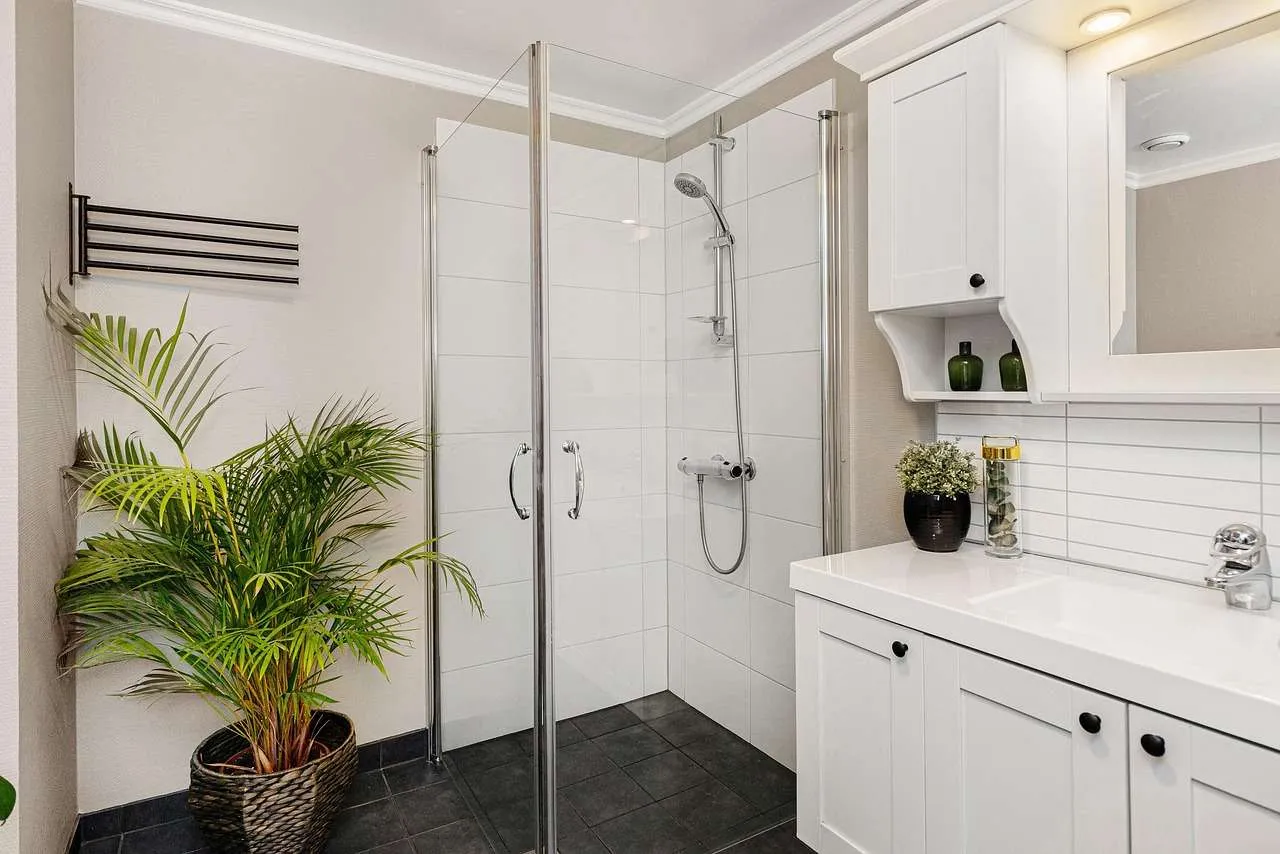
Clean lines, restrained color, and concealed storage define modern minimalism. Favor wall-hung vanity systems, frameless mirrors, and large-format tiles to reduce visual clutter. Materials: quartz countertops, glass shower enclosures, and matte black or brushed nickel hardware. Pros: airy, easy to clean; Cons: can feel cold without warmth in textures.
Classic Transitional
A blend of timeless elements with a contemporary edge. Think shaker cabinets, soft whites, and subtle subway tile patterns. Materials like honed marble or quartz and polished nickel fixtures strike a balanced, enduring feel. Pros: versatile, resists trend fatigue; Cons: requires more precise carpentry and higher-quality finishes.
Coastal or Hamptons-Influenced
Light, breezy palettes with nautical accents. Pale blues, sandy beiges, and natural fibers evoke seaside serenity. Use driftwood-toned wood, woven storage, and light-hued tiles to enhance the coastal vibe. Pros: uplifting esthetic; Cons: susceptible to sun fading if exposed to strong light over time.
Rustic or Farmhouse
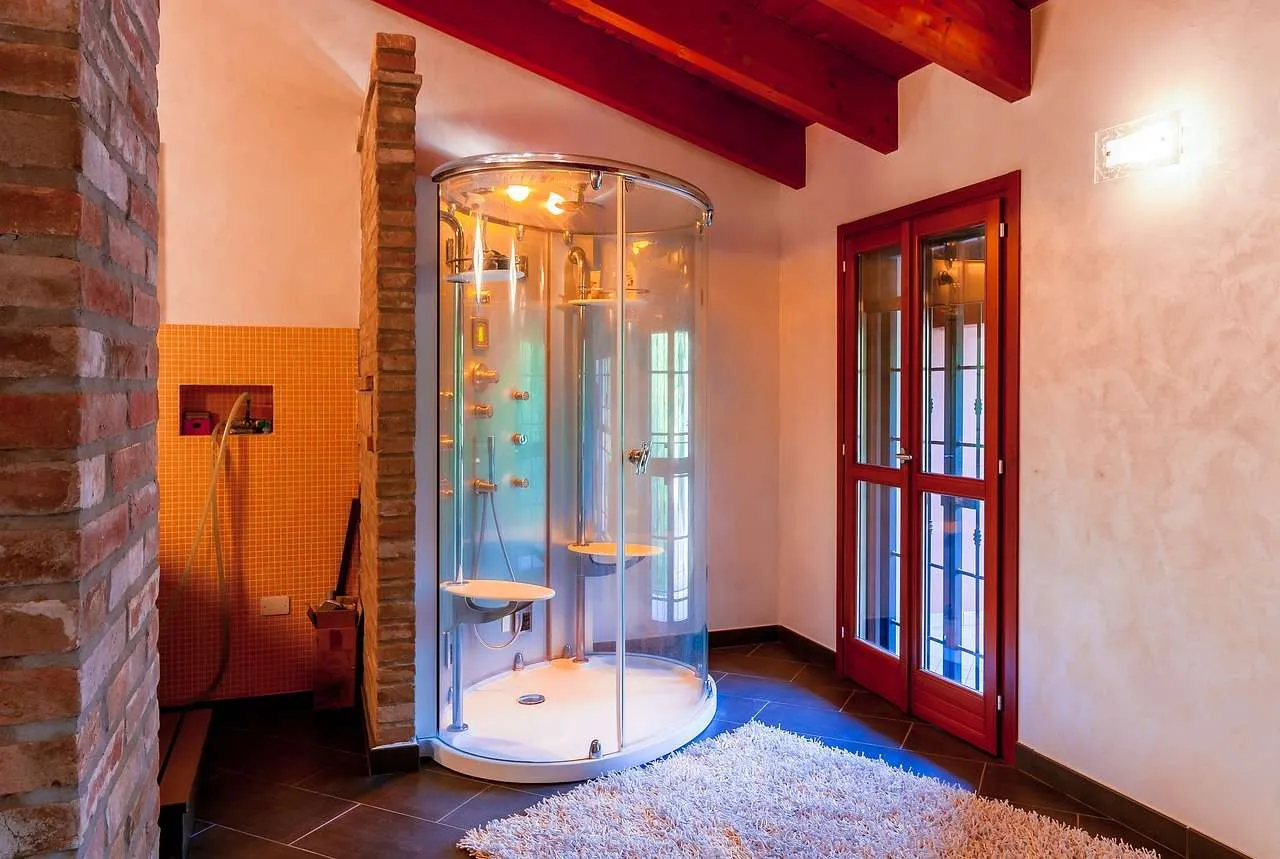
Warm wood tones, distressed textures, and vintage-inspired fixtures. Materials like ceramic penny or wood-look tiles pair with brass or oil-rubbed bronze hardware. Pros: welcoming warmth; Cons: surfaces may require more maintenance to keep rustic charm intact.
Functional Elements that Elevate Decor
Decor isn’t just about looks—it’s about optimizing daily routines. Lighting, mirrors, storage, and ventilation all influence usability and perceived quality. Layer light sources: ambient ceiling lighting, task lighting near mirrors, and soft accent lighting to create depth. Choose mirrors with anti-fog features and UV-protected glass for longevity. Smart storage ideas include recessed niches, adjustable shelving, and pull-out organizers inside cabinets to keep surfaces uncluttered.
Budgeting and Planning
A clear budget keeps a bathroom remodel focused. Allocate 40% to fixtures and cabinetry, 30% to tiles and surfaces, and 30% to lighting, hardware, and install costs. Decide what you can DIY safely (painting, hardware swaps, basic tiling) versus what benefits from professional installation (plumbing, waterproofing, zoning). Always leave a contingency for unexpected needs—high‑quality waterproofing and proper ventilation are non-negotiable for longevity and EEAT-driven results.
Materials, Durability, and Maintenance
Durable materials pay dividends in moist environments. Porcelain and ceramic tiles with slip-resistant textures, quartz or solid-surface countertops, and cabinetry with marine-grade finishes resist humidity and cleaning chemicals. Seal grout lines and check caulking yearly to prevent water intrusion. Regular maintenance—gentle cleaners, microfiber cloths, and promptly replacing worn seals—preserves the look and feel of your bathroom decor while extending its life.
Quick Reference: Style, Mood, and Budget
| Style | Vibe | Key Materials | Pros | Cons | Typical Budget |
|---|---|---|---|---|---|
| Modern Minimalist | Clean, uncluttered | Large-format tiles, quartz, glass | Spacious feel, easy to clean | Can feel cold without warmth in textures | $$$ |
| Classic Transitional | Timeless, balanced | Shaker cabinetry, neutral tile, brass hardware | Versatile, durable | Higher craftsmanship required | $$$$ |
| Coastal | Fresh, airy | Light-colored stone, whites, blues | Bright, relaxing | Can fade with sun exposure | $$ |
| Rustic/Farmhouse | Warm, inviting | Wood textures, metal fixtures | Cozy, durable | Maintenance of rustic finishes | $$$ |
| Luxe Spa | Calm, indulgent | High-end stone, rainfall shower, quiet hardware | High-end feel, comfort | Higher cost, longer lead times | $$$$ |
Conclusion and Next Steps
Applying a thoughtful bathroom decor plan means prioritizing space, light, texture, and durable materials while letting personality shine through carefully chosen accents. Start with a clear budget and a mood board, sample swatches in natural lighting, and select fixtures with longevity in mind. Document your plan, verify waterproofing, and choose reputable brands or installers to ensure performance aligns with aesthetics. A well-executed approach delivers a bathroom that feels cohesive, functional, and enduring.
Conclusion, by focusing on space, light, texture, and durable materials, you can achieve a bathroom decor that feels cohesive and timeless while meeting daily functional needs. Start with a clear plan, sample swatches, and a realistic budget; then layer in personality with accessories and smart storage. A well-executed decor plan builds credibility, comfort, and lasting value for your home.