Bathroom Tile Guide: Choosing the Right Tile
By
Ryan
Published
2026-01-10 11:17:26
Read Time
5 min read
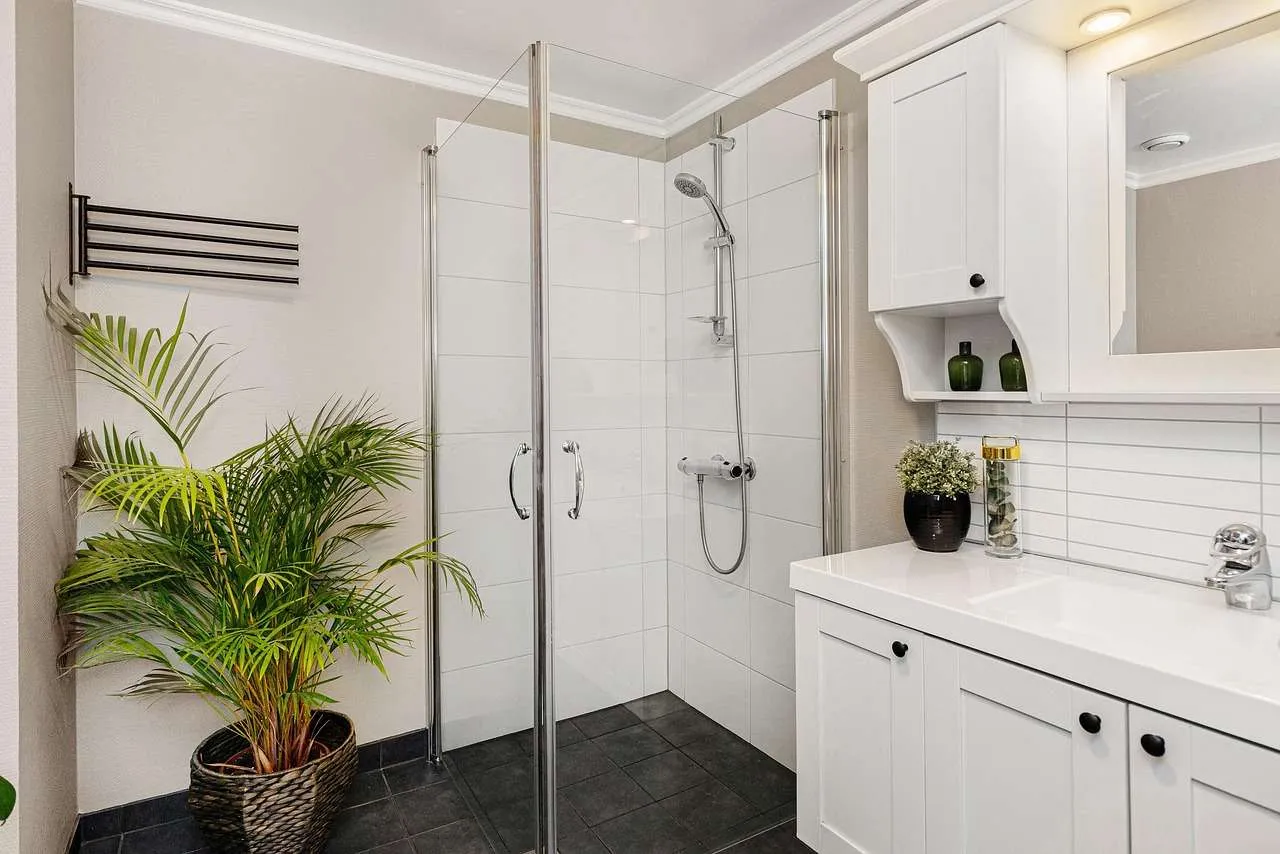
Choosing bathroom tile is more than aesthetics; it shapes moisture management, durability, and the overall feel of the room. In this guide I share practical, professional advice drawn from over a decade of tile design and installation experience, so you can select a tile that lasts and looks great. The right bathroom tile withstands humidity, cleans easily, and supports a design style — whether you prefer a spa like retreat or a bold contemporary look. This article addresses core questions, from tile types to layout and maintenance, to help you make an informed decision with confidence.
Types of bathroom tile
Tile types vary by density, water resistance, maintenance needs, and price. As a general rule, choose tiles that complement the space, fit your budget, and perform well in moist environments. Here are the main options to consider for a bathroom remodel.
Ceramic tile
Ceramic tile is one of the most affordable and versatile options. It is glazed, easy to cut, and available in countless colors and patterns. Ceramic is ideal for walls and low to moderate traffic floors. It tends to be more forgiving for DIY installations but can be less durable on high traffic floors without proper substrate and grout.
Porcelain tile
Porcelain is a denser, water resistant variant of ceramic. Its low water absorption makes it excellent for floors, showers, and wet rooms. Porcelain comes in many looks, including stone and wood styles. Expect higher upfront costs, but you gain longevity and easier maintenance over time.
Natural stone tile
Stone tiles like marble, travertine, or limestone create a luxurious atmosphere but require more maintenance. They are porous and prone to staining, so sealing is essential and periodic resealing is common. Stone is best for walls or low-moisture floors in dry climates or as accent features rather than main wet areas.
Glass and metallic tiles
Glass tiles reflect light, brighten small baths, and work well as backsplashes or shower accents. They can be slippery when used on floors, so use them with care or pair with larger, slip resistant tiles. Metallic tiles add a contemporary edge but can show water spots, so frequent cleaning is needed to maintain their luster.
Sizes and layouts
Tile size and pattern affect perceived space, maintenance, and grout visibility. Large format tiles (12x24 inches and bigger) create a sleek, seamless look and reduce grout lines, which can simplify cleaning. Small formats like 2x2 or 3x6 subway tiles offer classic style and flexibility for intricate patterns. For shower niches or backsplashes, consider a coordinating mosaic or herringbone layout to add visual interest without overwhelming the space.
Walls vs floors
Walls typically tolerate lighter wear than floors. In showers and wet areas, choose tiles rated for wet environments and pair with a reliable waterproofing system. For floors, prioritize slip resistance and durability. A common rule is to use porcelain or dense ceramic on floors and decorative ceramic or glass on walls.
Finish and texture
Finish affects maintenance and ambiance. Matte finishes hide water spots and fingerprints, offering a modern look with better slip resistance for floors. Gloss finishes are vibrant and easier to wipe clean but can show smudges. Textured surfaces add depth, but textured grout lines may require extra cleaning. Be mindful of grout color; matching grout to tile creates a seamless appearance, while contrasting grout can define patterns and geometry.
Durability, maintenance, and grout
Grout care is often overlooked but crucial for long term performance. Epoxy grout resists staining and is easier to clean in wet areas, but can be harder to install. Cement-based grouts are common and affordable but may stain and require sealing, especially in high humidity. Regular sealing for stone and some grouts helps prevent moisture invasion. Clean with non acidic cleaners and avoid harsh chemicals that can erode grout or tile finishes.
Color and style trends
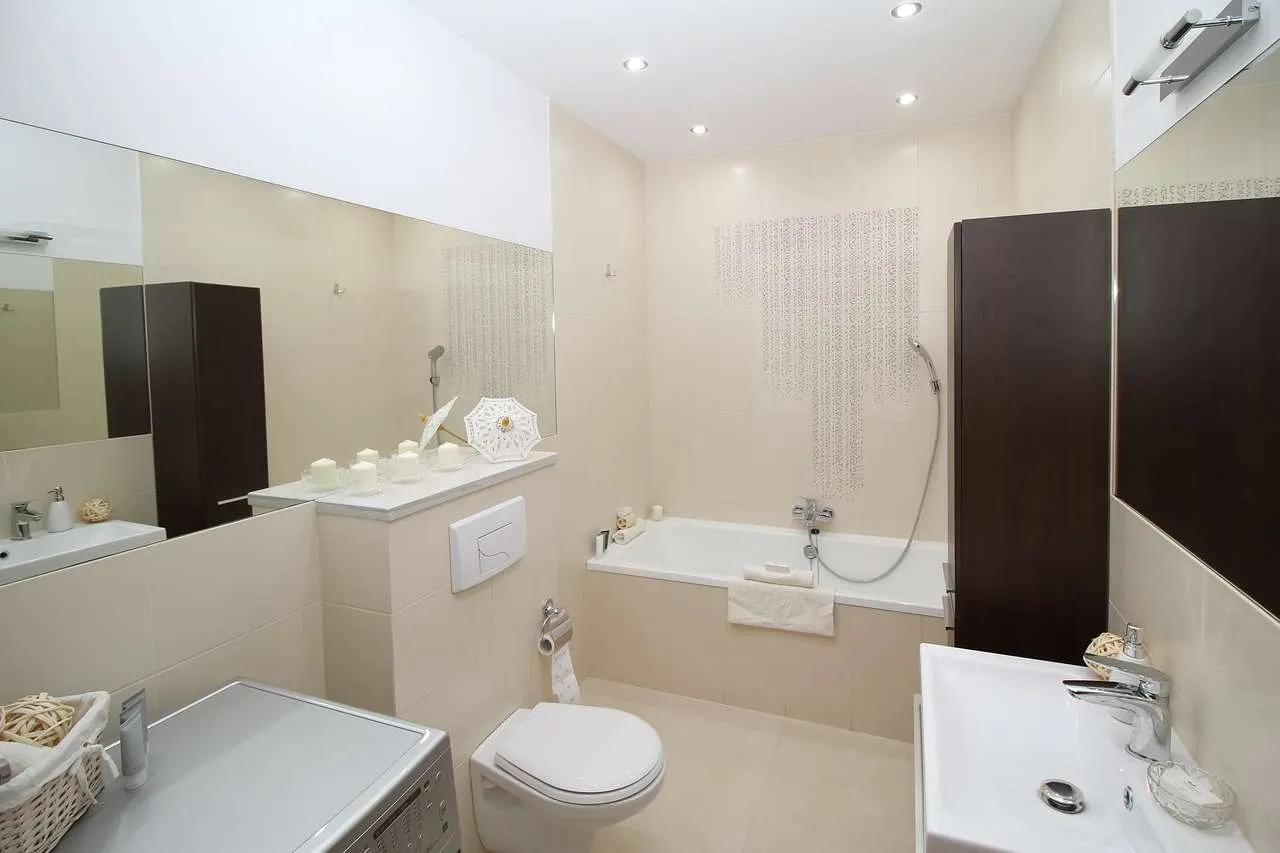
Popular trends include neutral palettes with warm whites and soft beiges, stone look porcelain, and large format tiles that create a quiet, spa like vibe. For accent walls or showers, use glass or metallic mosaics to add sparkle. Timeless designs prioritize contrast between wall and floor, while trendy spaces experiment with color blocking or geometric patterns. Always balance trend is with the home style and personal preferences for lasting satisfaction.
Installation basics and professional guidance
Substrate prep, waterproofing, and proper setting materials determine tile performance. A solid substrate, waterproof membrane in wet areas, and a quality thinset adhesive are essential. For showers, ensure pan and curb waterproofing are correctly installed and tested. Epoxy or cementitious grout can be chosen based on location and maintenance expectations. If you are unsure about cutting or waterproofing details, hire a licensed installer who follows local building codes. Working with a pro enhances safety, ensures proper slope and drainage, and improves long term results.
Tile Type Comparison
| Type | Pros | Cons | Best For |
|---|---|---|---|
| Ceramic | Affordable, wide range of colors, easy to cut | Less dense, may wear in high traffic | Walls, light to moderate traffic floors |
| Porcelain | Very durable, low water absorption, versatile looks | Higher cost, heavier to handle | Showers, floors in moisture zones |
| Natural Stone | High end, unique character, premium feel | Sealing required, maintenance and cost higher | Showers by design, feature walls |
| Glass/Metal | Reflects light, modern look, versatile accents | Slippery on floors, requires frequent cleaning | Backsplashes, showers, decorative accents |
Conclusion and next steps
Conclusion, selecting bathroom tile involves balancing moisture resistance, maintenance, style, and cost. Porcelain and ceramic offer durable, low maintenance options; natural stone adds luxury with sealing needs; proper layout, substrate prep, and waterproofing ensure longevity. Consider tile size and pattern to suit space, then hire a qualified installer to lock in an enduring result.