Window Tint for Home: Benefits & Guide
By
Grace
Published
2026-01-10 11:24:15
Read Time
3 min read
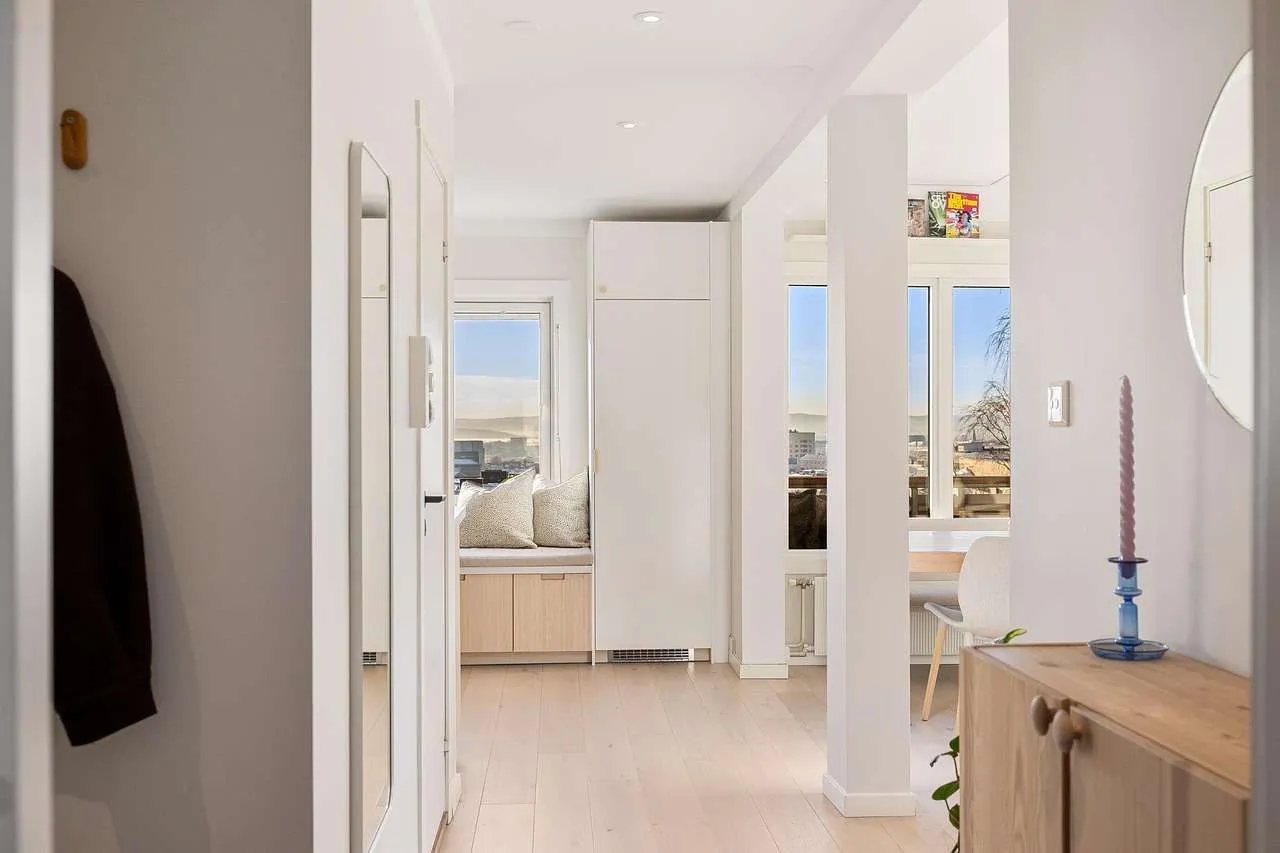
Homeowners are increasingly choosing window tint for home to improve comfort, reduce energy use, and protect interiors from UV light. This guide explains how window tint works, the main types available, installation considerations, costs, and how to pick the right option for your house while ensuring safety and compliance.
Why homeowners consider window tint
Reducing heat gain is a primary reason for tinting. Properly installed film can block up to 60 to 80 percent of solar heat, depending on the product. This lowers cooling loads in summer and can reduce glare on screens and furniture. In addition, most window tint for home blocks UV rays well above 99 percent, slowing fading of carpets, art, and fabrics. Privacy is another key benefit, especially on ground level and street facing rooms, while preserving outside visibility in daylight when the interior lights are off.
Types of residential window tint
Dyed window tint
Dyed films are affordable and simple to install. They work by adding a colored layer that reduces solar heat and glare. They do not conduct electricity and are less likely to interfere with electronics. However they can fade over time and may not offer the strongest UV protection or long term color stability.
Metalized and hybrid tint
Metalized films reflect a portion of solar energy and provide higher heat rejection than dyed films. They can add privacy and may cause some interference with radios and a few devices. Hybrid films combine dyed and metalized layers to balance performance and cost, but may still have some signal interference in certain configurations.
Ceramic tint
Ceramic films offer excellent heat rejection, strong UV protection, and minimal color change. They are non conductive, do not interfere with electronics, and stay clear at most light levels. The higher cost is offset by long term performance and durability.
Ceramic coated and specialty films
In this category you find spectrally selective and nano ceramic films designed for high performance with specific tint levels. They can optimize energy savings while preserving natural light and color accuracy. These premium options are best installed by trained professionals.
Installation considerations
Professional installation is recommended for most homes. A skilled installer ensures clean surface prep, accurate cutting, and bubble free adhesion. They will inspect window types, tint shade, and any safety films on tempered glass. Before scheduling, get multiple quotes, verify warranties, and ask for samples to see color and reflectivity in different lighting. Ensure the installer follows local regulations and the manufacturer installation guidelines to preserve warranty.
Cost and ROI
Residential window tint costs vary by film type, film size, and labor. Typical installed prices range from 5 to 15 per square foot depending on the brand and level of performance. Expect higher upfront costs for ceramic films but greater energy savings and durability over time. A standard home can see energy bill reductions of 5 to 20 percent in peak months, contributing to a favorable payback after several years and increased comfort year round.
Maintenance and legality
Cleaning is simple with a soft cloth and non abrasive cleaner. Avoid ammonia based cleaners on certain films as they can degrade coatings. Check local laws on tint darkness for residential windows, especially for street facing rooms and lower floors. In many areas there are daylight reflectance limits and visibility requirements during day and night to balance safety and privacy.
Comparison of tint types
| Type | Heat Rejection | UV Block | Privacy | Cost | Best For |
| Dyed | Moderate | Good | Low | Low | Budget rooms |
| Metalized | High | Excellent | Moderate | Medium | Sunny spaces |
| Ceramic | Very High | Excellent | High | High | Premium comfort |
| Ceramic coated | High | Excellent | High | Premium | High heat control |
Summary: Window tint for home offers tangible benefits when selected and installed by professionals. Energy savings, UV protection, glare reduction, privacy, and increased comfort come from choosing the right tint type and ensuring proper maintenance and legal compliance.